

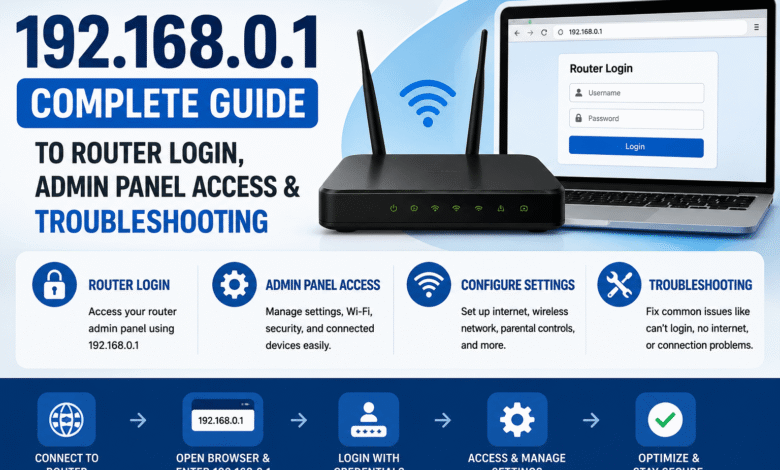
Every home or office network relies on a hidden hero that keeps everything connected smoothly. When issues arise with Wi-Fi, security, or connectivity, many people turn to http//192.168.1.1. This familiar address serves as the doorway to your router’s admin panel, offering control over settings that power your entire digital life.
In this detailed exploration, we will uncover everything worth knowing about http//192.168.1.1. Whether you are setting up a new device, troubleshooting slow internet, or enhancing network security, understanding this gateway empowers you to take charge confidently. Let’s walk through the process together, step by thoughtful step.
Understanding the Basics of http//192.168.1.1
http//192.168.1.1 represents a private IP address commonly assigned as the default gateway for many routers, especially models from brands like TP-Link, Netgear, and Linksys. It operates within the local area network, allowing direct communication between your computer or mobile device and the router itself.
Unlike public IP addresses visible to the outside world, http//192.168.1.1 stays confined to your home or office setup. Typing it into a web browser opens the router’s login page, where you can adjust configurations ranging from password changes to firmware updates. This private nature makes it both convenient and secure for everyday management.
Many users first encounter http//192.168.1.1 during initial device setup or when resetting forgotten Wi-Fi credentials. Its popularity stems from simplicity. Most manufacturers choose this address or close variations like 192.168.0.1 because they fall neatly within reserved private ranges defined by networking standards.
Why http//192.168.1.1 Matters for Everyday Users
Accessing http//192.168.1.1 puts powerful tools at your fingertips. Inside the admin interface, you gain visibility into connected devices, bandwidth usage, and potential security threats. This knowledge proves invaluable when streaming lags or unexpected guests join your network.
Parents often use the gateway to implement parental controls, limiting screen time or blocking inappropriate sites. Small business owners rely on it to segment guest networks, protecting sensitive company data. Even casual users benefit by optimizing signal strength across different rooms.
The address http//192.168.1.1 also plays a key role in troubleshooting. Slow speeds might trace back to outdated firmware or interference that you can resolve directly through the panel. By learning its functions, you reduce dependence on customer support calls and solve problems faster.
For deeper dives into related networking topics, consider exploring our guide on optimizing home Wi-Fi performance or understanding modem versus router differences.
Step-by-Step Access to http//192.168.1.1
Getting started with http//192.168.1.1 requires only a connected device and a modern browser. Ensure your computer or phone links to the router via Wi-Fi or Ethernet cable. Open any web browser and carefully enter the address, noting that it needs the proper format with colon and slashes for correct resolution.
Upon reaching the login screen, common default credentials include “admin” for both username and password, though these vary by manufacturer. Always consult your router’s manual or a sticker on the device itself. Changing these defaults immediately after first login strengthens your network’s defenses against unauthorized access.
Once inside, the dashboard typically displays an overview of status, including WAN connection, wireless settings, and security options. Navigation menus allow fine-tuning that matches your specific needs, whether expanding coverage with extenders or setting up VPN passthrough.
If http//192.168.1.1 fails to load, double-check the connection, restart the router, or verify the correct gateway using command prompt tools like ipconfig on Windows or ifconfig on Mac. These simple checks resolve most access issues quickly.
Advanced Features Available Through http//192.168.1.1
Beyond basic setup, http//192.168.1.1 unlocks sophisticated capabilities. Quality of Service settings let you prioritize traffic for gaming or video calls, ensuring smooth performance during peak hours. Port forwarding opens pathways for specific applications, such as hosting game servers or security cameras.
Security enthusiasts appreciate firewall configurations and MAC address filtering available in most interfaces. Regular firmware updates delivered through the admin panel patch vulnerabilities and improve overall stability. Many modern routers also support dynamic DNS, making remote access safer and more reliable.
For users with mesh systems or advanced networking gear, http//192.168.1.1 often serves as the central management point. It coordinates multiple nodes, monitors performance metrics, and simplifies expansion as your household or business grows.
External resources like official documentation from router manufacturers or standards bodies such as the Internet Engineering Task Force provide additional context on best practices.
Common Challenges and Solutions with http//192.168.1.1
Even reliable addresses like http//192.168.1.1 can present hurdles. Forgotten passwords rank among the top frustrations. In such cases, a factory reset usually restores defaults, though it erases custom configurations. Always back up settings beforehand when possible.
IP conflicts occasionally arise if another device accidentally uses the same address. Changing the router’s LAN IP to a different private range resolves this smoothly. Browser cache or extension interference sometimes blocks loading, making incognito mode a handy workaround.
Security remains paramount. Leaving http//192.168.1.1 accessible with weak credentials invites risks. Enable HTTPS where available, use strong unique passwords, and disable remote management unless necessary. These habits protect against common threats targeting home networks.
Staying informed through reputable technology sites helps anticipate updates and emerging features that enhance router management.
Enhancing Security and Privacy via http//192.168.1.1
In an era of increasing cyber threats, mastering http//192.168.1.1 becomes essential for defense. The admin panel allows activation of WPA3 encryption, guest network isolation, and automatic device blacklisting. Regular reviews of connected gadgets help spot unauthorized intruders early.
Advanced users explore features like DNS server changes to improve speed and block trackers. Some routers support integration with smart home ecosystems, letting you manage everything from lights to thermostats securely through the same gateway.
By treating http//192.168.1.1 as your network command center, you build layers of protection that safeguard personal data and family activities. Combine these controls with good habits like timely software updates across all devices for comprehensive peace of mind.
Our companion article on building a secure smart home network complements the strategies available directly through your router settings.
The Evolution and Future of Router Gateways Like http//192.168.1.1
Networking technology continues advancing rapidly. While http//192.168.1.1 remains a staple, newer routers embrace mobile apps and cloud management alongside traditional web interfaces. IPv6 support expands addressing capabilities, and AI-driven optimizations automatically adjust settings for peak efficiency.
Despite these innovations, the core principle stays consistent. Direct access to the gateway empowers users with control. Manufacturers increasingly focus on user-friendly designs that simplify complex tasks while maintaining robust security underneath.
Looking ahead, expect tighter integration with voice assistants and zero-trust architectures that verify every connection. Understanding today’s http//192.168.1.1 prepares you to adapt seamlessly as these technologies mature.
Conclusion
http//192.168.1.1 stands as more than a simple address. It represents your direct line to network mastery, offering tools that enhance speed, security, and convenience in daily digital life. By exploring its features thoughtfully, you transform from a passive user into an empowered manager of your connectivity.
Whether fixing immediate problems or planning long-term improvements, returning to this gateway provides reliable solutions. Embrace the knowledge shared here, experiment safely within your admin panel, and enjoy a smoother, more secure online experience.
Your network holds tremendous potential. Start with http//192.168.1.1 today and discover how small adjustments create significant improvements over time.
FAQ
What is http//192.168.1.1 used for?
http//192.168.1.1 is the default web address for accessing many routers’ admin panels, where you can manage Wi-Fi, security, and other network settings.
How do I log into http//192.168.1.1?
Connect to your router, open a browser, type the address correctly, and use default or custom admin credentials. Restart the router if it does not load.
Why can’t I access http//192.168.1.1?
Common reasons include wrong address format, not being connected to the correct network, or incorrect login details. Try using the exact http://192.168.1.1 and check your gateway IP.
Is http//192.168.1.1 safe to use?
Yes, as it is a private local address. Keep your router firmware updated and change default passwords to maintain security.
Can I change the address from http//192.168.1.1?
Most routers allow changing the LAN IP to another private address through the admin settings, though 192.168.1.1 works reliably for most users.
Read More:
Sara Marley: The Rising Star Daughter of Lauryn Hill and Rohan Marley