
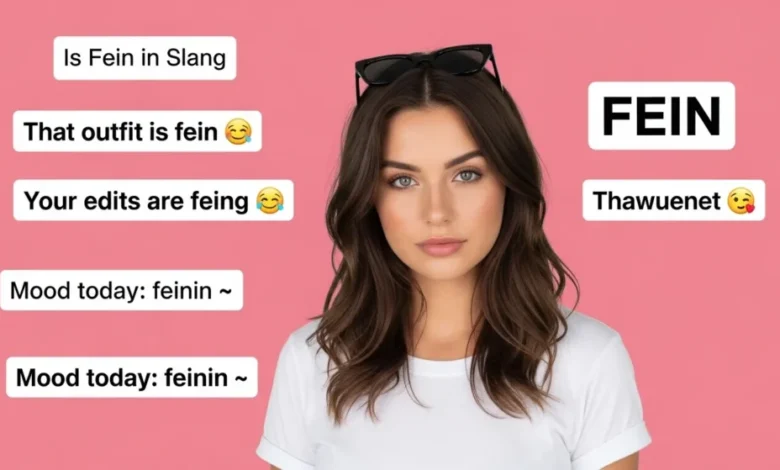
Language evolves constantly, and slang terms often capture raw human experiences in vivid ways. One such term gaining traction across social media, music, and everyday conversations is feining meaning. Whether you encountered it in a song lyric, a text message, or online comments, understanding feining meaning opens a window into contemporary expressions of desire, emotion, and behavior. This guide explores the term thoroughly, from its roots to its current applications in culture and daily life.
What Does Feining Meaning Actually Refer To?
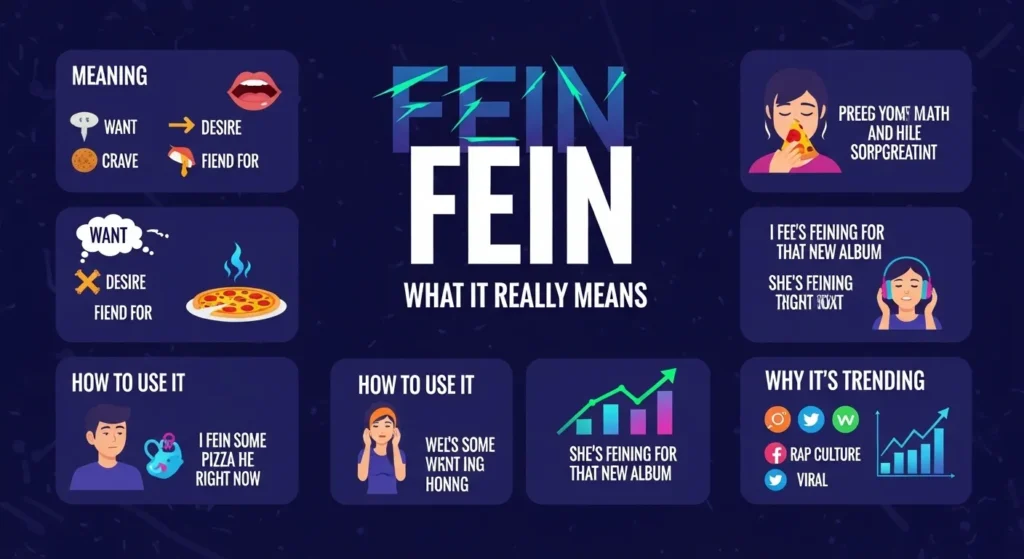
At its core, feining meaning most commonly points to an intense, almost uncontrollable craving or longing for something. People use it to describe that powerful urge—whether for a person, a substance, food, success, or an experience—that feels overwhelming. It goes beyond simple wanting and enters the territory of obsession or deep need.
This slang usage often appears as a variant spelling of “feening” or “fiending,” derived from the word “fiend,” implying someone desperately seeking satisfaction. In modern contexts, you might hear someone say they are “feining” for their favorite meal after a long day or “feining” for contact with a romantic interest. The term conveys urgency and emotional intensity that standard words sometimes fail to capture.
Interestingly, feining meaning can occasionally overlap with or be confused with “feigning,” which means pretending or faking something. This similarity in spelling leads to mix-ups, but the contexts usually clarify the intended sense. Distinguishing between these helps avoid misunderstandings in conversations.
Historical and Linguistic Roots of the Term
The journey of feining meaning traces back to older English words and street slang that evolved over decades. The concept of “fiending” has long described addictive behaviors, particularly in discussions around substance use. Hip-hop culture and urban communities popularized the term in the late 20th and early 21st centuries, embedding it into lyrics and vernacular that spread globally.
Over time, the spelling shifted to variations like feining, feenin, or feening, reflecting how spoken language adapts in text-based communication. This flexibility is typical of slang, allowing it to feel fresh and personal across different regions and demographics. Linguistic experts note how such terms fill gaps in expressing complex emotional states that formal language might overlook.
In Middle English, related forms existed with meanings tied to invention or fiction, but today’s slang usage stands distinctly apart, shaped by contemporary social realities rather than historical literary contexts.
Feining in Music, Social Media, and Pop Culture
Music has played a major role in popularizing feining meaning. Artists across genres, especially in hip-hop and R&B, use the term to convey passion, heartbreak, or raw desire. Lyrics about “feining” for love or success resonate because they tap into universal feelings of longing that listeners recognize instantly.
On platforms like TikTok, Instagram, and Twitter, the word appears in short videos, captions, and memes. A person might post about “feining for summer vacation” or “feining for that new playlist drop.” This digital amplification has broadened the term’s reach, moving it from niche communities into mainstream youth culture.
Pop culture references further normalize feining meaning. Television shows, influencer content, and viral challenges often incorporate slang to create relatability. When creators use these terms authentically, audiences feel seen in their everyday struggles and desires.
The Psychology Behind Intense Cravings and Feining
Understanding feining meaning requires looking at the human mind. Psychologically, strong cravings activate reward centers in the brain, similar to mechanisms involved in addiction. Whether the object of desire is harmless like coffee or more serious like substances, the feeling of “feining” involves anticipation, dopamine surges, and sometimes distress when the need goes unmet.
This explains why the term appears in discussions about relationships, where someone might be “feining” for attention or emotional connection. It also surfaces in wellness conversations around breaking bad habits or pursuing goals with fierce determination. Recognizing these patterns empowers people to manage their impulses more effectively.
Mental health professionals sometimes reference similar concepts when helping clients navigate dependencies or emotional attachments. The slang provides a relatable entry point for deeper conversations about self-control and fulfillment.
Feining Versus Feigning: Clearing Up Common Confusion
A frequent point of clarification involves distinguishing feining meaning from “feigning.” While feining describes genuine, intense desire, feigning involves pretense—acting as if something is true when it is not. Someone might feign illness to avoid an obligation, whereas they would fein for genuine relief or comfort.
This distinction matters in communication. Misinterpreting one for the other can lead to awkward or misleading exchanges. Context usually helps: craving-related discussions lean toward the slang “feining,” while deception scenarios point to “feigning.”
Both concepts reveal aspects of human behavior—authenticity versus performance—and exploring them side by side enriches our understanding of social interactions.
Practical Examples of Feining in Everyday Life
Imagine finishing a tough workout and suddenly feining for a refreshing smoothie. Or scrolling through old photos and feeling that pang of “feining” for a past connection. These scenarios show how the term applies to ordinary moments, making it versatile across situations.
In professional settings, ambitious individuals might describe themselves as “feining” for career advancement, highlighting drive and motivation. Parents could talk about kids “feining” for screen time, illustrating the challenges of managing desires in family dynamics.
These real-world uses demonstrate the term’s adaptability. It adds color and emotional depth to storytelling, whether in casual chats or more reflective writing.
Cultural Impact and Evolution of Slang Terms Like Feining
Slang terms such as feining meaning reflect broader cultural shifts. In an era of instant gratification through technology and social media, expressions of craving capture the tension between desire and restraint. Globalization allows regional slang to travel quickly, creating shared linguistic experiences across borders.
As society grapples with issues like digital addiction, consumerism, and emotional wellness, words like this gain relevance. They provide shorthand for complex feelings, fostering connection among those who understand the nuance.
The evolution continues as new generations adapt the term. What started in specific communities now appears in diverse contexts, showing language’s living nature.
Responsible Approaches to Cravings and Desires
While feining meaning often carries a casual tone, it sometimes touches on serious topics like addiction. Resources from health organizations emphasize the importance of addressing intense cravings constructively, whether through professional support, mindfulness practices, or lifestyle changes.
Recognizing when “feining” crosses into problematic territory empowers better decisions. Balance remains key—embracing healthy desires while managing those that disrupt well-being. This mindful approach aligns with broader conversations about mental and emotional health in modern life.
Communities and support networks play valuable roles in helping individuals navigate these experiences with compassion and practical strategies.
Why Understanding Feining Meaning Matters Today
In our interconnected world, grasping slang like feining meaning enhances communication and cultural literacy. It bridges generational and social gaps, allowing more empathetic interactions. For students of language, marketers, or anyone engaging with youth culture, this knowledge proves useful.
Beyond practicality, it invites reflection on our own desires and how we express them. Exploring such terms deepens appreciation for the richness of human experience and the creative ways we articulate it.
Conclusion: Embracing the Depth of Feining Meaning
Feining meaning encapsulates powerful emotions in a single, expressive word. From its slang origins describing intense cravings to its place in music, social media, and daily dialogue, the term reflects who we are as passionate, desiring beings. As language continues evolving, staying curious about words like this keeps us connected to cultural currents and to each other.
Next time you hear or use “feining,” remember the layers it carries. Whether expressing a lighthearted craving or acknowledging deeper longings, the term adds authenticity to our conversations. Explore more language insights, slang guides, and communication tips across our site to continue expanding your linguistic horizons.
FAQ
What is the feining meaning in slang?
Feining meaning refers to having an intense craving or strong desire for something, such as food, a person, or an experience. It is a common variant of “feening” or “fiending.”
Is feining the same as feigning?
No. Feining describes genuine intense longing, while feigning means pretending or faking something. They are often confused due to similar spelling but have different meanings.
Where did the term feining come from?
It evolved from “fiending,” rooted in urban and hip-hop culture, describing addictive cravings. It has since broadened to cover various strong desires in everyday language.
How is feining used in relationships?
In relationships, people might say they are “feining” for their partner, meaning they miss them deeply or crave their attention and presence.
Can feining relate to addiction?
Yes. The term is frequently used in contexts of substance cravings but applies more broadly. When linked to harmful behaviors, seeking professional support is recommended.
Read More >>>YouTube MP4: Understanding Video Downloads, Legal Options, and Smart Alternatives in 2026