

When developers search for information about python web framework options, they’re typically looking to understand the best tools for building robust, scalable web applications using one of the most popular programming languages in the world. Python web framework solutions have revolutionized how programmers create everything from simple websites to complex enterprise applications, offering powerful features that streamline development while maintaining code quality and performance standards. Whether you’re a beginner exploring web development or an experienced developer evaluating new options, understanding the landscape of python web framework choices proves essential for making informed decisions about your projects.
In this comprehensive guide to python web framework tools, we’ll explore the major players in this space, their unique strengths, ideal use cases, and factors to consider when selecting the right solution for your needs. The world of python web framework development continues evolving rapidly, with new innovations and established platforms competing to provide the most effective development experience possible.
The Evolution and Importance of Python Web Framework Solutions
The journey of python web framework development reflects the broader growth of web technologies and Python’s rising popularity as a versatile programming language. Early web development often involved writing code from scratch using basic tools, but modern python web framework solutions provide structured approaches that handle common tasks automatically. This evolution has dramatically reduced development time while improving code maintainability and security.
Python web framework options emerged to address specific pain points in web application development. By providing pre-built components for database interactions, user authentication, routing, and templating, these frameworks allow developers to focus on unique business logic rather than reinventing standard functionality. This efficiency makes Python an attractive choice for web projects of all sizes and complexities.
The diversity within python web framework choices reflects different philosophies about web development. Some frameworks emphasize simplicity and minimalism, while others provide comprehensive toolsets for enterprise-level applications. Understanding these differences helps developers select solutions that align with their project requirements and personal preferences.
Popular Python Web Framework Options and Their Strengths
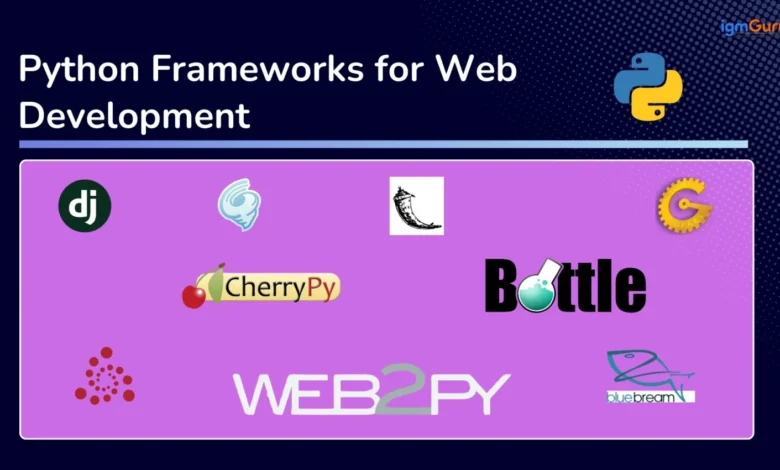
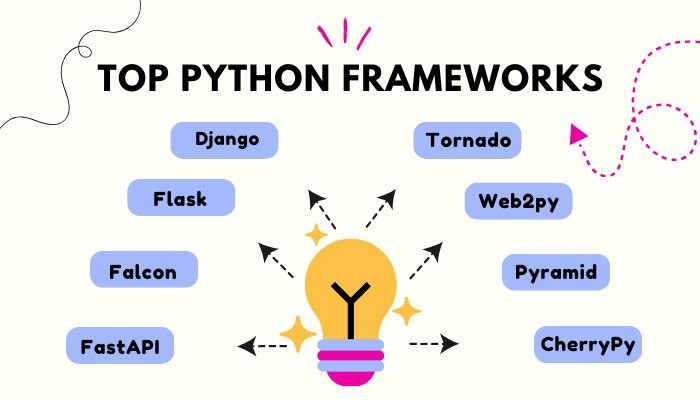
Django stands out as one of the most comprehensive python web framework solutions available today. This full-featured framework includes everything developers need for rapid development, from an object-relational mapper for database interactions to a powerful admin interface for content management. Django’s “batteries included” philosophy makes it particularly suitable for complex applications requiring robust security features and scalability.
Flask represents a different approach within the python web framework ecosystem. This lightweight microframework provides core functionality while allowing developers to add extensions as needed. The flexibility of Flask makes it ideal for smaller projects or when developers prefer granular control over application architecture. Its simplicity has earned it a dedicated following among developers who value minimalism and customization.
FastAPI has gained significant traction as a modern python web framework focused on high-performance APIs. Built with speed and developer experience in mind, FastAPI leverages type hints and automatic documentation generation to streamline API development. Its asynchronous capabilities make it particularly well-suited for applications requiring high concurrency and real-time features.
Choosing the Right Python Web Framework for Your Project
Selecting an appropriate python web framework requires careful consideration of project requirements, team expertise, and long-term maintenance needs. Factors such as scalability requirements, development timeline, and integration needs all influence which python web framework will serve your project most effectively. Taking time to evaluate these aspects helps avoid costly switches later in the development process.
Team experience and learning curves play important roles in python web framework selection. Some frameworks require more initial investment in learning but offer greater long-term benefits, while others provide quicker starts with potentially different scaling characteristics. Understanding your team’s current skills and willingness to learn new approaches guides better decision-making.
Performance considerations often factor heavily into python web framework choices, particularly for applications expecting high traffic or real-time interactions. Different frameworks handle concurrency and resource utilization differently, making benchmarks and real-world testing valuable parts of the selection process. Understanding these performance characteristics helps set realistic expectations and plan accordingly.
Development Best Practices with Python Web Framework Tools
Successful projects using any python web framework benefit from established development practices and architectural patterns. Following community-recommended approaches helps maintain code quality and makes future maintenance more manageable. These best practices often transcend specific frameworks while being adaptable to different python web framework environments.
Security considerations remain paramount when working with any python web framework. Understanding common vulnerabilities and implementing appropriate protections helps safeguard applications and user data. Most modern python web framework solutions include built-in security features, but proper configuration and ongoing attention remain essential for maintaining robust protection.
Testing strategies significantly impact the success of projects built with python web framework tools. Comprehensive testing approaches help catch issues early and ensure applications behave as expected under various conditions. Different python web framework options provide varying levels of testing support, making this an important consideration during selection.
The Future of Python Web Framework Development
The landscape of python web framework solutions continues evolving as new technologies and development paradigms emerge. Artificial intelligence integration, improved developer experience tools, and enhanced performance capabilities represent areas of active innovation across the python web framework ecosystem. Staying informed about these developments helps developers make forward-looking technology choices.
Community contributions play vital roles in advancing python web framework capabilities. Open source participation, package development, and knowledge sharing drive continuous improvement across popular frameworks. This collaborative environment ensures python web framework solutions remain relevant and incorporate cutting-edge features that address real-world development challenges.
Educational resources and learning pathways for python web framework development have expanded significantly, making these tools more accessible to newcomers while providing advanced guidance for experienced developers. This democratization of knowledge contributes to broader adoption and innovation within the Python web development community.
Python web framework tools have transformed how developers approach web application creation, offering powerful capabilities that streamline development while maintaining flexibility and performance. Understanding the strengths and characteristics of different python web framework options empowers better decision-making and more successful project outcomes.
The continued growth and evolution of python web framework solutions reflect Python’s enduring popularity and the vibrant community supporting web development in this language. As new challenges and opportunities emerge, these frameworks will likely adapt and innovate to meet changing requirements while preserving the core benefits that make them valuable development tools.
Choosing the right python web framework represents an important decision that impacts project success, development experience, and long-term maintainability. By carefully considering project needs, team capabilities, and future requirements, developers can select solutions that provide optimal support for their specific goals and constraints.
The rich ecosystem of python web framework options ensures developers have appropriate tools regardless of project scope or complexity. This diversity strengthens Python’s position as a leading language for web development while providing practitioners with flexibility to choose approaches that best suit their individual preferences and requirements.
FAQ
What is the best python web framework for beginners?
Flask often serves as an excellent starting point for beginners due to its simplicity, while Django provides more structure for those preferring comprehensive guidance.
How do I choose between different python web framework options?
Consider project requirements, scalability needs, team expertise, and long-term maintenance when evaluating python web framework choices for your specific situation.
Are python web framework applications scalable?
Yes, modern python web framework solutions support scalability through various architectural patterns and deployment strategies suitable for applications of different sizes.
What skills are needed to work with python web framework tools?
Proficiency in Python programming, understanding of web technologies, and familiarity with databases typically provide a solid foundation for working with python web framework solutions.
Can python web framework be used for large enterprise applications?
Absolutely, several python web framework options are specifically designed to handle enterprise-level complexity and scalability requirements effectively.
Read More:
Entrepreneursbreak.com: Your Ultimate Resource for Business Insights and Entrepreneurial Success