
Apple Teleport: Unpacking the Viral Hoax, Spatial Computing Dreams, and Apple’s Real Future Vision

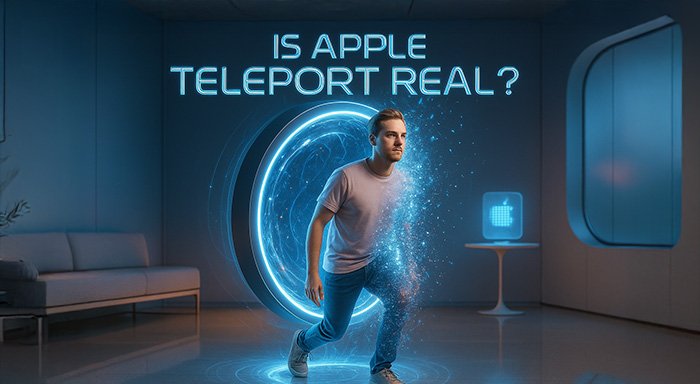
Apple Teleport has captured the imagination of millions through viral videos, AI-generated images, and speculative social media posts promising instantaneous travel. The concept depicts a futuristic chamber where users step in and emerge instantly in another location, often priced at a staggering $29 million in the fictional narratives. Yet, despite the excitement, Apple Teleport remains firmly in the realm of digital myth. This in-depth exploration separates fact from fiction, examines how the rumor spread, and connects it to Apple’s genuine advancements in spatial computing that deliver experiences feeling remarkably close to teleportation.
In today’s hyper-connected world, the desire for effortless travel and presence drives fascination with such ideas. While true physical teleportation stays in science fiction, Apple’s innovations in augmented reality, virtual environments, and immersive technology bring us closer to “being there” without physical movement. Understanding the Apple Teleport phenomenon reveals much about modern internet culture, technological hype cycles, and Apple’s actual roadmap for transforming how we experience space and connection.
The Origins and Spread of the Apple Teleport Myth
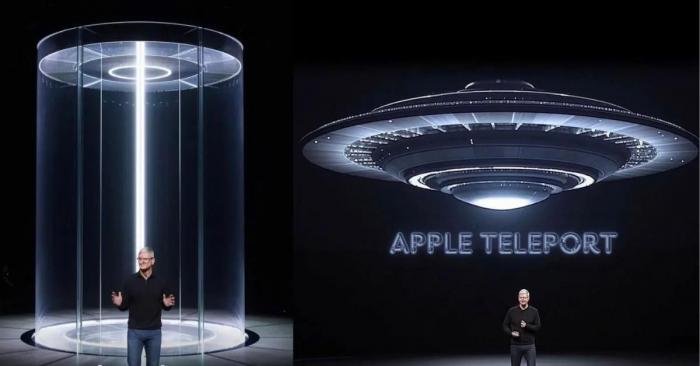
The Apple Teleport story gained traction through a combination of AI-generated visuals, cleverly edited videos, and social media algorithms that reward sensational content. Images showing Tim Cook standing beside a sleek, tubular teleportation device began circulating on platforms like TikTok, Instagram, and X, often accompanied by claims of revolutionary breakthroughs. Many posts suggested Apple had secretly developed technology capable of matter transportation, drawing parallels to Star Trek transporters or quantum teleportation experiments.
These visuals were primarily created using tools like Midjourney and other generative AI systems. The polished, Apple-like aesthetic — minimalist design, premium materials, and futuristic interfaces — made them highly shareable and believable at first glance. Viral videos purported to show demonstrations, complete with dramatic lighting and enthusiastic narrators, further fueled the narrative. Some versions even claimed the device would be unveiled at future Apple events or was already in limited testing.
The rapid spread highlights how easily misinformation travels in the digital age. Tech enthusiasts, sci-fi fans, and casual scrollers shared the content, often with humorous or hopeful commentary. The $29 million price tag added an element of absurdity that paradoxically increased engagement, as people debated whether such an extravagant device could ever exist. This phenomenon mirrors other tech hoaxes, where the line between satire, speculation, and deliberate misinformation blurs.
Importantly, Apple has never officially acknowledged or developed any teleportation hardware. The company maintains strict secrecy around unreleased products, but no credible leaks, patents, or executive statements support the Apple Teleport claims. Industry analysts and fact-checkers quickly labeled it as fiction, yet the concept continues to resurface periodically, demonstrating the enduring appeal of breakthrough travel technology.
Understanding Real Teleportation Science vs. Fiction
To appreciate why Apple Teleport captivates audiences, it helps to distinguish between scientific reality and popular imagination. Quantum teleportation is a genuine phenomenon in physics, involving the transfer of quantum states between particles using entanglement. However, this process works at the subatomic level and does not transport physical matter or people. It requires classical communication channels and faces enormous challenges when scaling to macroscopic objects.
True matter teleportation, as depicted in science fiction, would demand breakthroughs in energy requirements, information processing, and fundamental physics that remain far beyond current capabilities. Challenges include the Heisenberg uncertainty principle, the immense data needed to reconstruct a human body accurately, and ethical questions around identity and consciousness. While researchers continue exploring related concepts in quantum information science, practical human teleportation remains speculative at best.
Apple’s approach to innovation focuses on achievable, user-centered technology rather than speculative physics. This grounded philosophy explains why the company invests heavily in areas like spatial computing instead of pursuing impossible hardware. The viral Apple Teleport concept, therefore, serves as a cultural placeholder for deeper desires — the wish for frictionless connection, exploration without boundaries, and overcoming physical limitations.
Apple’s Actual Innovation: Spatial Computing and Immersive “Teleportation”
While Apple Teleport as a physical device is fictional, Apple has pioneered technologies that deliver remarkably convincing virtual teleportation experiences. The Apple Vision Pro headset represents the company’s most significant step into spatial computing, blending digital content seamlessly with the physical world. Users can “teleport” to breathtaking locations through immersive video environments, collaborate in shared virtual spaces, or transform their living room into a massive cinema screen.
Apple Immersive Video, captured in 180-degree 3D with spatial audio, creates a powerful sense of presence. Whether exploring distant landscapes, attending virtual events, or reliving personal memories, the technology makes users feel transported. Apps and experiences built for Vision Pro, such as portal-style environments, allow users to step through digital doorways into entirely new worlds while maintaining full spatial awareness and movement.
This form of teleportation is practical and accessible today. It eliminates travel barriers for education, business, healthcare, and entertainment. Medical students can “visit” operating theaters worldwide, families can gather in virtual spaces despite physical distance, and professionals can collaborate as if in the same room. Apple’s emphasis on privacy, comfort, and high-fidelity displays sets these experiences apart from earlier VR attempts.
Future iterations of Vision Pro and related technologies may enhance these capabilities further. Advancements in eye tracking, hand gestures, LiDAR mapping, and AI-driven environment reconstruction will make virtual presence even more convincing. While not physical teleportation, these tools effectively shrink the world, fulfilling much of the emotional promise behind the Apple Teleport myth.
The Cultural Impact of Tech Hoaxes Like Apple Teleport
The persistence of the Apple Teleport rumor reveals important truths about society’s relationship with technology. In an era of rapid innovation, people crave the next revolutionary breakthrough that solves longstanding problems. Travel fatigue, environmental concerns around aviation, and the desire for deeper connections drive interest in concepts that promise to transcend physical limits.
Hoaxes like this also demonstrate the power of visual storytelling in the AI era. High-quality generated content can spread faster than verified information, challenging consumers to develop stronger media literacy. Apple’s brand strength amplifies this effect — when people see sleek, minimalist designs associated with the company, they are more inclined to believe the claims.
On a positive note, such viral moments spark valuable conversations about ethics in technology development, the future of work and travel, and humanity’s relationship with distance. They encourage reflection on what we truly want from innovation: convenience, connection, sustainability, or something deeper.
How Apple Shapes the Future of Presence and Connection
Apple’s real contributions extend far beyond debunked rumors. Through continued investment in AR, VR, and spatial computing, the company is redefining presence. Features like Spatial Persona in FaceTime allow friends and family to interact in shared 3D spaces, creating moments that feel remarkably close to being together. Enterprise applications in design, training, and remote collaboration further demonstrate practical value.
Looking ahead, integration with other Apple ecosystems — including advanced sensors, AI assistants, and potentially lighter wearable displays — could make these immersive experiences even more seamless. The goal remains consistent with Apple’s philosophy: technology that disappears into the background while enhancing human capabilities and connections.
This vision aligns with broader industry trends toward the metaverse and extended reality, but Apple’s execution emphasizes quality, privacy, and accessibility over hype. By focusing on believable, delightful experiences rather than impossible promises, Apple builds lasting trust with users.
Lessons from the Apple Teleport Phenomenon
The Apple Teleport story offers several takeaways. First, critical thinking remains essential when encountering extraordinary claims. Second, technological progress often arrives through incremental, practical steps rather than singular revolutionary devices. Third, the human desire for connection and exploration is powerful, and companies that address these needs thoughtfully will thrive.
For aspiring innovators and tech enthusiasts, the phenomenon underscores the importance of grounding creativity in reality while dreaming big. Apple’s success comes from solving real problems elegantly, not from chasing science fiction headlines.
As spatial computing matures, we may look back on the Apple Teleport rumor as an early cultural artifact — a collective expression of hope for a more connected, accessible world. In the meantime, the tools already available through Apple’s ecosystem bring us closer to that vision than many realize.
Conclusion
The Apple Teleport concept, while entirely fictional and born from AI-generated content and viral speculation, taps into profound human aspirations for overcoming distance and experiencing the world without limits. Although no such device exists or is under development by Apple, the rumor has sparked valuable conversations about technology’s role in shaping our future. Apple’s genuine advancements in spatial computing through Vision Pro and related innovations deliver meaningful “teleportation” experiences today — transporting us to new environments, connecting us with distant loved ones, and expanding our sense of presence in powerful ways. As the company continues pushing boundaries in immersive technology, privacy, and user-centered design, it brings us incrementally closer to fulfilling the spirit behind the myth. The Apple Teleport phenomenon ultimately reminds us to celebrate real progress while maintaining healthy skepticism toward extraordinary claims. In the evolving landscape of digital experiences, Apple remains at the forefront, turning science fiction-inspired dreams into practical, transformative tools that enrich how we live, work, and connect.
FAQ
Is Apple Teleport a real device?
No, Apple Teleport is not real. It originated from AI-generated images and viral videos. Apple has not developed or announced any teleportation technology.
What is the Apple Teleport price in viral claims?
Fictional posts often claim a $29 million price tag for the nonexistent device, adding to the satirical or exaggerated nature of the rumor.
How does Apple Vision Pro relate to teleportation concepts?
Apple Vision Pro enables immersive spatial computing experiences that create a strong sense of “teleporting” to different locations through high-fidelity virtual environments and portals.
Why did the Apple Teleport rumor spread so widely?
The combination of compelling AI visuals, Apple’s innovative reputation, and people’s desire for revolutionary travel technology made it highly shareable across social platforms.
What real technologies is Apple developing for presence and immersion?
Apple focuses on spatial computing, Apple Immersive Video, Spatial Personas in FaceTime, and advanced AR/VR capabilities that blend digital and physical worlds seamlessly.
Read More:
Coyyn Com Banking App: A Modern Digital Finance Solution for Everyday Users and Businesses