
Have you ever found yourself wondering what time was it 6 hours ago while trying to coordinate across time zones, recall when an event happened, or simply track your daily schedule? In our fast-paced, always-connected world, quick and accurate time calculations have become essential skills that help us stay organized and informed. Whether you are traveling internationally, managing remote teams, adjusting sleep schedules, or just curious about recent events, knowing exactly what time was it 6 hours ago provides clarity and prevents confusion in many situations. This comprehensive guide explores everything you need to know about calculating past times, with special focus on the common six-hour window, while offering practical strategies, tools, and insights that make these calculations effortless and reliable.
Time is one of the most fundamental aspects of human life, yet its fluid nature across different zones and daylight saving changes can sometimes feel tricky. Understanding what time was it 6 hours ago goes beyond simple subtraction — it involves grasping how clocks work globally, how different regions experience time differently, and how modern digital tools can instantly provide accurate answers. In the sections ahead, we will dive deep into these concepts, ensuring you walk away with both theoretical knowledge and practical abilities that serve you well in everyday scenarios. By the time you finish reading, calculating what time was it 6 hours ago will feel as natural as checking your watch.
The Basics of Time Calculation and Why 6 Hours Matters
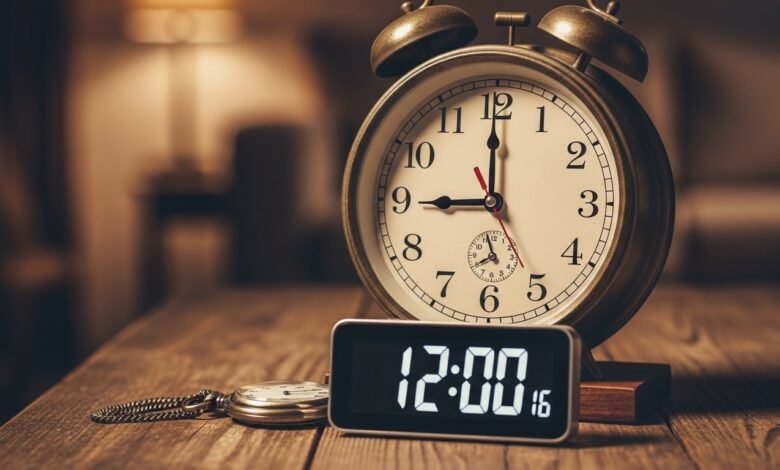
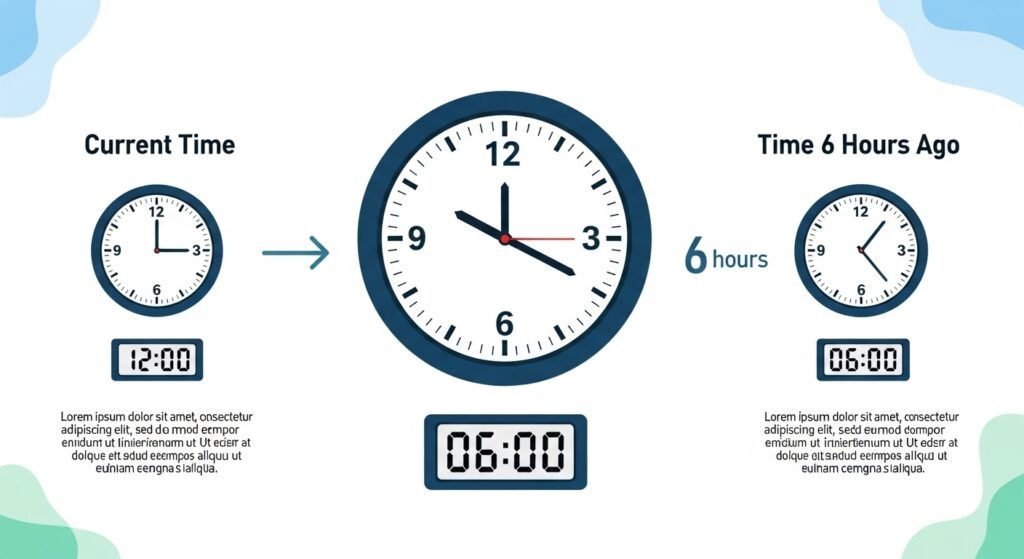
Calculating what time was it 6 hours ago starts with understanding the 24-hour clock system most commonly used worldwide. If the current time is 3:00 PM, then what time was it 6 hours ago would be 9:00 AM on the same day. This straightforward subtraction works perfectly when staying within the same day, but real-life situations often involve crossing midnight or dealing with different time zones, which adds layers of complexity worth mastering.
Six hours represents a significant yet manageable chunk of time that appears frequently in daily life. It might represent a full work shift for some, the duration of a long flight, the time difference between major cities, or simply the gap between waking up and an important meeting. Knowing precisely what time was it 6 hours ago helps with everything from adjusting medication schedules to understanding when an email was sent or when a live event started in another part of the world. This seemingly simple question actually touches on broader concepts of chronology, productivity, and global connectivity that affect how we organize our lives.
Many people rely on mental math for quick calculations, but accuracy becomes crucial when important decisions or memories depend on the correct answer. Factors like daylight saving time transitions can shift clocks by an hour, potentially throwing off calculations if not accounted for properly. That’s why developing a reliable method for determining what time was it 6 hours ago proves valuable across personal, professional, and travel contexts alike.
How Different Time Zones Affect “What Time Was It 6 Hours Ago”
One of the most fascinating aspects of answering what time was it 6 hours ago involves understanding time zones and how they create natural offsets between different parts of the world. For example, if you are in New York and want to know what time was it 6 hours ago while coordinating with someone in London, the calculation must account for the five-hour difference between Eastern Time and Greenwich Mean Time. These variations exist because the Earth rotates 360 degrees in 24 hours, creating 24 standard time zones roughly 15 degrees apart.
Major cities often sit in different zones, making cross-time-zone calculations essential for international business, family communications, and travel planning. When you ask what time was it 6 hours ago from Los Angeles, the answer differs significantly from someone asking the same question in Tokyo. Tools and websites that automatically detect your local time and perform these calculations have become incredibly popular precisely because they eliminate guesswork and potential errors in these situations.
Daylight saving time adds another variable that can shift answers depending on the season and location. Some regions observe it while others do not, creating temporary changes in offsets that careful calculation must consider. Understanding these nuances ensures your determination of what time was it 6 hours ago remains accurate no matter where you or the people you are connecting with happen to be located.
Practical Methods to Calculate What Time Was It 6 Hours Ago
Several reliable methods exist for quickly determining what time was it 6 hours ago depending on your situation and available tools. The most basic approach involves simple subtraction on a 12-hour or 24-hour clock. Starting from the current time, count backwards six hours while paying attention to whether you cross from AM to PM or vice versa. While this works well for mental math, digital solutions offer greater precision, especially when dealing with seconds, different dates, or multiple time zones simultaneously.
Smartphones and computers come equipped with built-in clock applications and world clock features that can instantly show what time was it 6 hours ago in various locations. Many dedicated time calculation websites and apps specialize in these conversions, allowing you to input any duration and receive accurate results along with explanations of the underlying mathematics. These tools prove particularly helpful when you need to calculate what time was it 6 hours ago across daylight saving boundaries or unusual time zone offsets.
For those who prefer analog thinking, keeping a small notebook or using the clock hands on a traditional watch can serve as excellent visual aids for understanding time flow. Practice regularly with different starting times to build confidence in performing these calculations mentally when digital devices are not immediately available. Over time, determining what time was it 6 hours ago becomes almost instinctive, saving precious moments in fast-moving situations.
Modern Tools and Apps for Instant Time Calculations
The digital age has provided us with numerous sophisticated tools specifically designed to answer questions like what time was it 6 hours ago with remarkable speed and accuracy. Mobile applications dedicated to world clocks, time converters, and productivity often include features that calculate past or future times across multiple zones simultaneously. These apps frequently incorporate automatic daylight saving adjustments and can handle complex scenarios involving different calendar systems or historical time changes.
Web-based calculators offer convenient alternatives accessible from any device with an internet connection. Many of these platforms provide additional context, such as the day of the week, date adjustments when crossing midnight, and even sunrise/sunset information for specific locations. Voice assistants on smart devices can also quickly respond when you ask what time was it 6 hours ago, making the process hands-free and convenient during busy moments.
Choosing the right tool depends on your specific needs and how frequently you perform these calculations. Some users prefer minimalist interfaces for quick checks, while others appreciate detailed explanations that help them understand the reasoning behind each result. Regardless of preference, these modern solutions have made determining what time was it 6 hours ago faster and more reliable than ever before, contributing significantly to better time management in both personal and professional spheres.
Real-Life Applications of Knowing What Time Was It 6 Hours Ago
Understanding what time was it 6 hours ago proves valuable in countless real-world situations that many people encounter regularly. Parents coordinating school pickups and activities across different schedules often rely on these calculations to maintain smooth family routines. Professionals managing international projects use similar skills to align meeting times and deadlines across continents, ensuring productive collaboration despite geographical distances.
Travelers frequently need to calculate what time was it 6 hours ago when adjusting to new time zones, managing jet lag, or communicating with people back home. Healthcare workers tracking medication intervals or shift changes also depend on accurate time calculations to maintain proper care standards. Even in casual contexts, such as figuring out when a sports game started or when a social media post went live, knowing what time was it 6 hours ago adds helpful context to our daily experiences.
These practical applications demonstrate why mastering time calculations extends far beyond academic interest. They represent essential life skills that enhance organization, reduce stress, and improve our ability to connect meaningfully with others regardless of physical distance or differing schedules.
Common Challenges and How to Overcome Them
While calculating what time was it 6 hours ago seems straightforward, several common challenges can lead to confusion if not properly addressed. Crossing midnight often causes errors in mental math, particularly when determining the correct date alongside the time. Different conventions for displaying time (12-hour versus 24-hour formats) can also create misunderstandings between people accustomed to different systems.
Time zone confusion represents another frequent obstacle, especially during periods when regions transition to or from daylight saving time. Staying updated with these changes and using reliable tools helps avoid mistakes that could affect important appointments or communications. Building good habits, such as double-checking calculations during critical situations, ensures greater accuracy over time.
By recognizing these potential pitfalls and preparing strategies to address them, you develop greater confidence in answering what time was it 6 hours ago under any circumstances. This preparedness transforms potential sources of frustration into manageable aspects of effective time navigation.
Conclusion
Mastering the ability to quickly determine what time was it 6 hours ago represents a practical skill that enhances organization, improves global communication, and reduces daily stress in our interconnected world. From simple mental calculations to sophisticated digital tools, multiple approaches exist to find accurate answers tailored to your specific needs. As you continue practicing and exploring these concepts, calculating past times will become increasingly effortless and intuitive. The next time you find yourself wondering what time was it 6 hours ago, you will have the knowledge and resources to get the right answer with confidence and ease.
FAQs
How do I calculate what time was it 6 hours ago?
Simply subtract 6 hours from the current time. For example, if it is 8 PM now, what time was it 6 hours ago would be 2 PM. Adjust for AM/PM and date changes if necessary.
Does daylight saving time affect what time was it 6 hours ago?
Yes, it can shift the calculation by one hour depending on your location and the time of year. Always check current daylight saving status for accurate results.
Are there apps that tell me what time was it 6 hours ago?
Many world clock and time converter apps can instantly calculate this for you across different time zones and formats.
Why do people need to know what time was it 6 hours ago?
Common reasons include scheduling, travel adjustments, reviewing past events, managing medication times, and coordinating with people in different time zones.
What is the best way to track time differences regularly?
Using reliable world clock applications or websites that automatically handle time zone conversions and daylight saving changes provides the most consistent accuracy.
Read More:
Clean Makeup Brands: Discovering Safe, Beautiful Options for Conscious Beauty