
Hunker Down: Mastering the Art of Staying Safe and Resilient in Challenging Times

Hunker down is a powerful phrase that captures the spirit of preparation, endurance, and strategic retreat when facing uncertainty. Whether a major storm is approaching, economic pressures are mounting, or life throws unexpected obstacles your way, knowing how to hunker down effectively can make all the difference between chaos and controlled calm. This expression has become a go-to recommendation during natural disasters and tough periods, offering both literal and figurative guidance for weathering the storm.
In this comprehensive guide, we will explore the rich history of the term, its practical applications in emergency situations, and how the mindset behind hunker down can help in everyday life. By the end, you will feel more confident about creating your own safety plan and building long-term resilience.
The Origins and Evolution of “Hunker Down”
The phrase hunker down has deep linguistic roots that stretch back to Scotland in the early 18th century. The word “hunker” originally described the physical act of squatting low on one’s haunches, knees bent sharply, with weight resting on the balls of the feet. This posture provided stability and a lower center of gravity, useful for protection or rest in rugged environments.
Over time, particularly in American English, the term evolved into its modern figurative sense. By the early 1900s in Southern U.S. dialects, “hunker down” came to mean settling in securely to endure hardship. It gained wider popularity in the mid-20th century, especially in military contexts and during natural disasters. Today, it evokes the image of gathering resources, securing your position, and patiently waiting for conditions to improve.
This evolution reflects human adaptability. From literal crouching for safety to metaphorical steadfastness, hunker down resonates because it combines physical practicality with mental determination.
When and Why You Should Hunker Down
People most commonly hear the advice to hunker down during severe weather events such as hurricanes, tornadoes, blizzards, or wildfires. Officials recommend it when evacuation is not feasible or safe, urging residents to stay put in a secure location until the danger passes.
The decision to hunker down depends on several factors: the severity of the threat, your location, available resources, and personal circumstances. For instance, during a hurricane, staying indoors in a sturdy structure is often wiser than venturing onto flooded roads. Similarly, in economic downturns or personal crises, hunkering down might involve tightening budgets, focusing on essentials, and avoiding unnecessary risks.
The core principle remains consistent: assess the situation, prepare thoroughly, and commit to riding it out with patience and resourcefulness.
Practical Steps for Hunkering Down During Natural Disasters
Successfully hunkering down starts well before the crisis hits. Begin by creating an emergency supply kit that includes non-perishable food, water (at least one gallon per person per day for several days), medications, flashlights, batteries, a first-aid kit, and important documents. A battery-powered radio helps you stay informed when power and internet fail.
Choose your shelter location carefully. For high winds, select an interior room on the lowest level, such as a closet, bathroom, or hallway, away from windows and exterior walls. Put as many barriers between yourself and the outside as possible. During flooding risks, move to higher ground within the home if necessary, but never enter an attic where you could become trapped.
Communication is vital. Inform family members or neighbors of your plans, and establish check-in methods. Keep devices charged and have backup power sources ready. Once the immediate threat arrives, stay put until authorities confirm it is safe to venture out.
Home Fortification and Safety Measures
Physical preparation of your living space enhances safety when you hunker down. Install storm shutters or board up windows with sturdy plywood. Bring outdoor furniture and loose objects inside to prevent them from becoming dangerous projectiles. Secure important items and consider reinforcing garage doors, which are often vulnerable points.
For families with children, pets, or elderly members, tailor your plan accordingly. Create engaging activities to reduce anxiety, establish clear rules for movement during the event, and ensure medical needs are addressed. Mental preparedness is just as important as physical supplies — maintaining a calm demeanor helps everyone cope better.
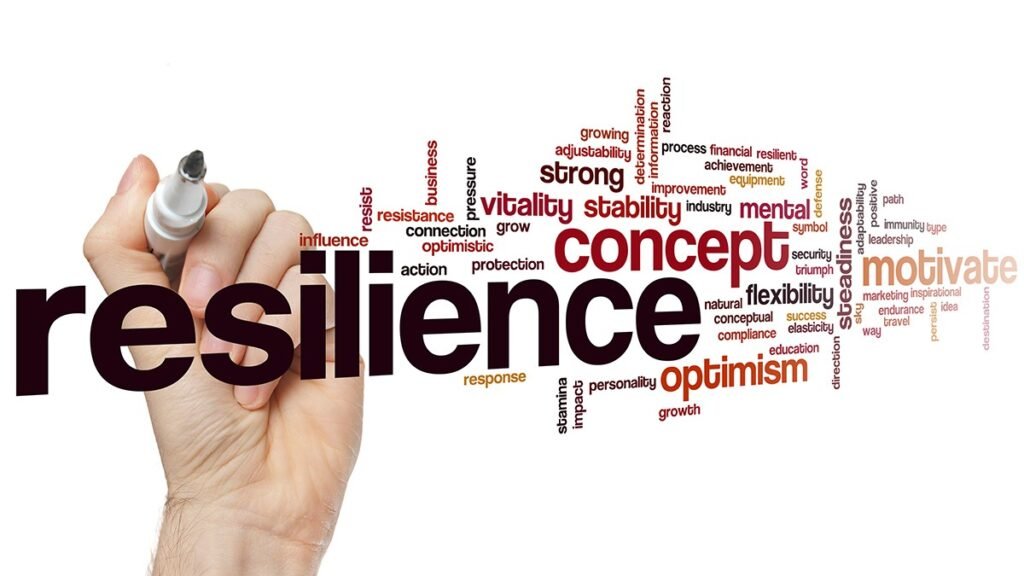
The Mindset of Resilience: Hunkering Down Beyond Weather
While often associated with storms, the philosophy of hunker down applies to many life challenges. During financial hardships, it might mean reducing expenses, building an emergency fund, and focusing on stable income sources. In professional setbacks, it could involve skill-building, networking within your current circle, and waiting for better opportunities.
This mindset emphasizes conservation of energy, strategic focus, and long-term thinking. Instead of scattering efforts in panic, you consolidate resources and protect what matters most. Many successful individuals and communities credit their survival and eventual thriving to this disciplined approach.
Building a Long-Term Hunker Down Preparedness Plan
Effective preparation goes beyond one-time efforts. Regularly review and update your emergency kit, rotate perishable supplies, and practice your plan with family drills. Consider home improvements like backup generators, rainwater collection systems, or reinforced safe rooms for ongoing protection.
Community involvement strengthens individual efforts. Get to know neighbors, participate in local preparedness programs, and stay informed through reliable sources such as the National Weather Service or Ready.gov. Internal link: Check our related article on building a comprehensive family emergency plan for more tailored advice.
Common Challenges and How to Overcome Them
Power outages, boredom, and anxiety often test resolve while hunkering down. Combat boredom with books, board games, or skill-building activities that do not require electricity. For anxiety, practice deep breathing, maintain routines as much as possible, and limit exposure to constant alarming news.
After the event, recovery involves careful assessment of damage, avoiding hazards like downed power lines or contaminated water, and seeking professional help when needed. Patience during this phase is crucial, as full normalcy often returns gradually.
External resources like FEMA guidelines and the American Red Cross offer excellent, up-to-date materials for deepening your knowledge.
Why the Hunker Down Approach Remains Relevant Today
In an era of increasing climate variability and global uncertainties, the ability to hunker down effectively is more valuable than ever. It promotes self-reliance while encouraging responsible community behavior. This balanced perspective helps individuals and families navigate not only immediate threats but also broader life transitions with greater confidence.
Learning these skills builds overall resilience, reducing fear of the unknown and empowering proactive decision-making.
Embracing the Hunker Down Lifestyle for Greater Security
Hunker down is more than a temporary survival tactic — it is a mindset of thoughtful preparation and steadfast endurance. From its Scottish linguistic origins to its vital role in modern emergency management, the phrase continues to guide people through difficult times with practical wisdom.
By understanding when and how to apply this approach, you equip yourself with tools for safety, peace of mind, and long-term success. Start building your preparedness today, refine your plans regularly, and face whatever comes your way with grounded confidence. Whether confronting a literal storm or a metaphorical one, the discipline to hunker down wisely often leads to stronger outcomes on the other side.
FAQ
What does it mean to hunker down?
To hunker down means to settle in a safe place and stay there to endure a difficult situation, such as a storm or crisis, while conserving resources and waiting for conditions to improve.
Where did the phrase hunker down come from?
The term originated in Scotland in the 1700s, referring to squatting low on one’s haunches. It evolved in American English to mean digging in and enduring hardship.
When should you hunker down instead of evacuating?
Hunker down when authorities advise staying in place, travel is dangerous, or your home offers better protection. Always follow official guidance for your specific area.
What supplies do you need to hunker down effectively?
Key supplies include water, non-perishable food, medications, flashlights, a battery-powered radio, first-aid kit, and important documents for several days without outside help.
How can you stay calm while hunkering down?
Maintain routines, engage in low-energy activities, practice breathing exercises, limit distressing news, and focus on what you can control to reduce anxiety.
Read More:
Frances Gladney: The Private Life and Enduring Partnership of Smokey Robinson’s Wife