Best Arroz Con Leche Boliviano Near Me: How to Find Authentic Bolivian Rice Pudding


Searching for the best arroz con leche boliviano near me usually means you want more than ordinary rice pudding. You are looking for the creamy, cinnamon-scented dessert that carries the comforting flavors of Bolivian home cooking. Whether you grew up with it or discovered it through travel or friends, the right bowl can feel like a small taste of Bolivia. This guide explains what makes the Bolivian version special, how to locate high-quality options close to you, and what details separate an average serving from one worth seeking out.
Arroz con leche appears across Latin America, yet regional differences matter. The Bolivian style tends to emphasize a silky texture, warm spice notes from cinnamon and sometimes cloves, and a balance of sweetness that never overwhelms the rice and milk. Finding the best arroz con leche boliviano near me starts with knowing these characteristics so you can recognize authenticity when you taste it.
What Makes Bolivian Arroz Con Leche Distinct
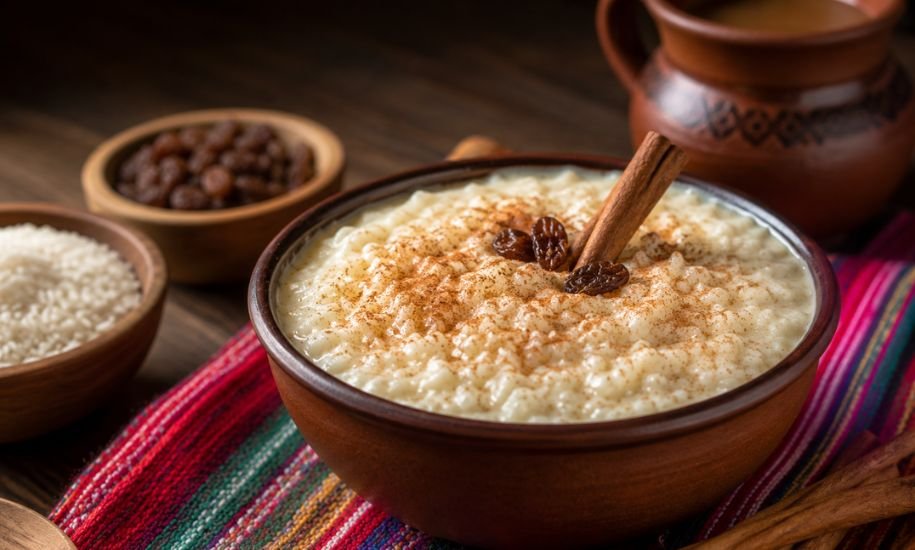
Traditional Bolivian arroz con leche begins with rice simmered gently in milk. Many home cooks and restaurants use a combination of regular milk and evaporated or condensed milk to achieve richness without heaviness. Cinnamon appears both as a whole stick during cooking and as a light dusting of ground spice on top. Lemon or orange peel sometimes joins the pot to add subtle brightness. A small amount of butter can contribute silkiness, and raisins or chopped nuts appear in some family variations.
The finished dessert may be served warm, at room temperature, or chilled. Texture is key. The rice should be fully tender and suspended in a creamy base rather than swimming in thin liquid or turning dense and sticky. When you order the best arroz con leche boliviano near me, these qualities help you judge whether the kitchen understands the dish.
Why Location and Community Matter When Searching
Because “near me” depends on where you are standing, the most practical first step is to look for Bolivian or broader Andean restaurants, bakeries, and markets in your area. Cities with established Bolivian communities often have family-run spots that prepare desserts the way they were made at home. Even in places without a large Bolivian population, Latin American restaurants that take pride in regional specialties sometimes offer a well-made version.
Online maps and review platforms become useful tools. Searching phrases such as “Bolivian restaurant,” “comida boliviana,” or “arroz con leche” alongside your city name can surface candidates. Reading recent customer comments helps identify places where diners specifically praise the desserts or mention homemade quality. Photos of the arroz con leche itself often reveal whether the texture looks right.
How to Evaluate Quality Once You Arrive
When you find a promising restaurant, a few observations guide the decision. Ask whether the arroz con leche is made in-house and how it is prepared. Staff who can speak knowledgeably about cinnamon, milk choices, or family recipes usually signal care. Notice the aroma when the dish arrives. Genuine versions carry a clear scent of warm milk and spice rather than artificial flavoring.
Taste for balance. The sweetness should feel rounded rather than sharp or cloying. The rice grains should remain distinct yet fully integrated into the creamy base. A light sprinkle of ground cinnamon on top is traditional and adds both flavor and visual appeal. If the kitchen offers it both hot and cold, trying it the way the cook recommends often yields the best experience.
Exploring Related Bolivian Flavors While You Search
Many places that serve excellent arroz con leche also prepare other traditional sweets and savory dishes worth sampling. Looking at the full dessert menu or asking about daily specials can reveal additional homemade options. Savory companions such as salteñas or other regional specialties provide context for the meal and help you assess the kitchen’s overall commitment to Bolivian flavors. A restaurant that treats its main dishes with respect is more likely to treat its arroz con leche with the same attention.
Community events, cultural festivals, and Bolivian social clubs occasionally feature homemade desserts. Checking local event listings or cultural association calendars can uncover temporary opportunities to taste authentic versions prepared by community members rather than commercial kitchens.
Making a Strong Version at Home When Options Are Limited
In areas where the best arroz con leche boliviano near me proves hard to find, preparing it yourself becomes a rewarding alternative. The process is straightforward and relies on patience more than complicated technique. Short-grain or medium-grain rice works well because it releases starch that contributes to creaminess. Whole milk forms the base, and many cooks enrich it with evaporated milk. A cinnamon stick and a strip of citrus peel simmer with the rice, then are removed before serving. Sugar is added toward the end so the rice cooks properly first.
Constant gentle stirring prevents sticking and encourages an even texture. Once the mixture reaches the desired thickness, it can be cooled slightly and finished with a dusting of ground cinnamon. Experimenting with small batches lets you adjust sweetness and spice levels to personal preference. Homemade versions also allow you to serve the dessert at the exact temperature you prefer.
Building a Personal List of Reliable Spots
Over time, regular searchers develop a short list of trusted places. Returning to restaurants that consistently deliver quality arroz con leche builds familiarity with the staff and sometimes leads to learning about unlisted specials or seasonal variations. Sharing positive experiences through reviews helps other people searching for the best arroz con leche boliviano near me discover the same spots.
Word of mouth within Bolivian or Latin American social circles remains one of the most reliable methods. Friends, coworkers, or community members who grew up with the dessert often know which kitchens still prepare it with care. A simple conversation can yield recommendations that algorithms miss.
The Cultural Place of Arroz Con Leche in Bolivia
In Bolivia the dessert functions as everyday comfort food as much as a special-occasion treat. Families prepare it for afternoon snacks, family gatherings, or simple weeknight desserts. Its presence on restaurant menus signals a connection to home-style cooking rather than purely tourist-oriented fare. Appreciating this context deepens the experience of seeking out the best arroz con leche boliviano near me. You are not only looking for a sweet dish; you are looking for a small expression of culinary tradition.
Regional differences exist within Bolivia itself. Some households favor a looser consistency while others prefer a thicker result. Some add raisins or nuts; others keep the flavor profile simple. These variations mean that even authentic versions can differ from one kitchen to another, which makes tasting across multiple places part of the pleasure.
Practical Tips for Your Next Search
Start with a clear idea of what you want. Decide whether you prefer the dessert warm or cold, and whether you are open to versions that include condensed milk for extra richness. Use map apps to identify Bolivian or Latin American restaurants within a reasonable distance, then cross-check recent reviews that mention desserts specifically. Call ahead if the menu is not posted online and ask whether arroz con leche is available that day. Freshness matters; a version made earlier the same day usually tastes better than one that has sat for a long time.
If you find a place that exceeds expectations, note the details that made it special so you can recognize similar quality elsewhere. Texture, spice balance, and the quality of the milk base are reliable indicators. Over time these observations sharpen your ability to locate the best arroz con leche boliviano near me with less trial and error.
Conclusion
The search for the best arroz con leche boliviano near me combines practical local research with an appreciation for a simple yet deeply satisfying dessert. By understanding the traditional elements of cinnamon, creamy milk, and properly cooked rice, you gain the tools to evaluate what you find. Bolivian restaurants, community recommendations, and careful attention to preparation quality all increase the chances of a memorable bowl.
Whether you discover it in a family-run restaurant, at a cultural event, or in your own kitchen, authentic arroz con leche offers comfort and connection. Keep exploring local options, trust your taste, and enjoy the process of finding the version that feels right. The best arroz con leche boliviano near me is ultimately the one that brings the flavors of Bolivia to your table with care and sincerity.
FAQs
What is special about Bolivian arroz con leche?
Bolivian arroz con leche is typically creamy, scented with cinnamon and sometimes cloves or citrus peel, and made with milk that may include evaporated or condensed varieties. It can be served hot or cold and emphasizes a balanced, comforting sweetness.
How can I find Bolivian restaurants near me?
Use map applications and search terms such as “Bolivian restaurant,” “comida boliviana,” or “arroz con leche” plus your city name. Check recent reviews that mention desserts and consider calling to confirm availability.
What should authentic arroz con leche taste like?
It should feature tender rice in a creamy base, clear notes of cinnamon, balanced sweetness, and a clean milk flavor without artificial aftertaste. Texture should be smooth rather than watery or overly dense.
Can I make Bolivian-style arroz con leche at home?
Yes. Simmer rice gently in milk with a cinnamon stick and optional citrus peel, sweeten toward the end of cooking, and finish with ground cinnamon. Adjust milk richness and sweetness to preference.
Is arroz con leche the same across Latin America?
Variations exist from country to country and even from household to household. The Bolivian style is known for its particular balance of creaminess and warm spice, though personal and regional differences are common.
Read More:
Mail Libero Accedi: The Complete Guide to Logging Into Your Libero Mail Account