The Weeknd and Christian Bale: Two Artists Bound by Intensity and Transformation

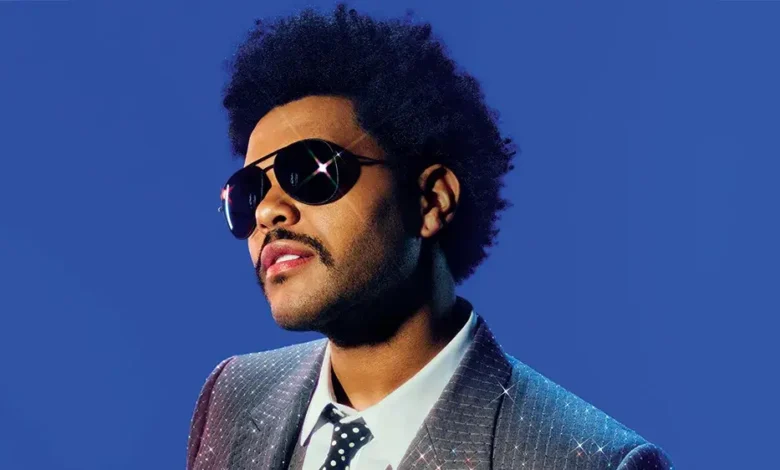
People searching for the Weeknd and Christian Bale usually expect a collaboration, a shared project, or at least a public connection. None of those things currently exist in any formal sense. Abel Tesfaye, known worldwide as the Weeknd, and Christian Bale have never starred in a film together, never announced a joint venture, and have not been linked through interviews or social media in any significant way. What draws the two names into the same search is something subtler and more interesting: a shared artistic temperament. Both men are known for complete immersion in their work, for exploring dark psychological territory, and for reinventing themselves so thoroughly that the boundary between performer and character sometimes seems to dissolve. One operates primarily through music and increasingly through film. The other has spent decades defining what total physical and emotional commitment looks like on screen. Looking at them side by side reveals more about modern performance than any forced crossover ever could.
Profile Summary
| Category | The Weeknd (Abel Tesfaye) | Christian Bale |
|---|---|---|
| Full Name | Abel Makkonen Tesfaye | Christian Charles Philip Bale |
| Born | February 16, 1990 (Toronto, Canada) | January 30, 1974 (Haverfordwest, Wales) |
| Primary Field | Singer, songwriter, actor, producer | Actor |
| Known For | Atmospheric R&B/pop, dark lyrical themes, cinematic visuals | Intense physical & psychological transformations |
| Breakthrough | Anonymous mixtapes (2010–2011) | Empire of the Sun (1987) as a child; major adult breakthrough with American Psycho (2000) |
| Notable Film Work | Cameo in Uncut Gems (2019), The Idol (2023), lead in Hurry Up Tomorrow (2025) | American Psycho, The Dark Knight trilogy, The Fighter, Vice, The Bride! |
| Signature Style | Blends music, visuals, and persona; explores fame, hedonism, and isolation | Extreme method-style immersion and physical change for roles |
| Major Themes | Fame’s emptiness, desire, nightlife, psychological darkness | Obsession, identity, moral ambiguity, power |
| Public Persona | Highly visible yet enigmatic; recently stepped back from “The Weeknd” name | Relatively private; lets the work speak |
| Collaboration Status | No joint projects with Christian Bale | No joint projects with The Weekndv |
Separate Paths That Occasionally Feel Parallel
Christian Bale built his reputation through radical physical and psychological transformations. From the skeletal figure in The Machinist to the armored intensity of Batman and the volatile energy of roles in American Psycho, The Fighter, and Vice, he has treated acting as an almost monastic discipline. Directors and co-stars frequently describe a process that consumes him for the duration of a production. The results are performances that feel lived-in rather than performed.
The Weeknd arrived through a different route. Emerging from Toronto with anonymous mixtapes that mixed R&B, atmospheric production, and lyrical darkness, he constructed a persona that felt cinematic from the start. Songs and videos referenced film noir, psychological horror, and the isolating effects of fame. His move into actual filmmaking—first with a cameo in Uncut Gems, then the polarizing HBO series The Idol, and later the 2025 feature Hurry Up Tomorrow—felt like a natural extension rather than a sudden pivot. In Hurry Up Tomorrow he plays a version of himself spiraling under the pressures of stardom, insomnia, and emotional collapse. The project was deeply personal, co-written by Tesfaye and shot with the same commitment to atmosphere and unease that marks his best music.
The two careers rarely intersect in practical terms, yet both men treat their craft as something that demands total presence. That shared seriousness is what makes the pairing feel less random than it first appears.
Cinematic Influences and Dark Storytelling
The Weeknd has spoken openly about the films that shaped his aesthetic. David Lynch, Stanley Kubrick, Martin Scorsese, and David Cronenberg appear repeatedly in interviews as touchstones. His music videos and stage presentations often feel like short films, complete with narrative arcs, striking visuals, and a sense of moral ambiguity. The 2025 film Hurry Up Tomorrow leaned into that sensibility, functioning as both a companion to his album of the same name and a fictionalized examination of the costs of the persona he had built.
Christian Bale has spent much of his career inside films that explore similar territory. American Psycho dissected surface charm and underlying violence. The Dark Knight trilogy examined power, identity, and moral compromise. Later roles continued to probe obsession, self-destruction, and the masks people wear. Even when the genres differ, the underlying interest in fractured psyches remains consistent.
Neither artist shies away from discomfort. Both seem more interested in the shadows that fame, ambition, or personal demons cast than in easy resolution. That common ground explains why some fans imagine them sharing a screen. A project that combined Bale’s ability to disappear into extreme characters with the Weeknd’s talent for atmosphere and emotional rawness could be compelling. So far it remains imaginary.
Transformation as a Core Practice
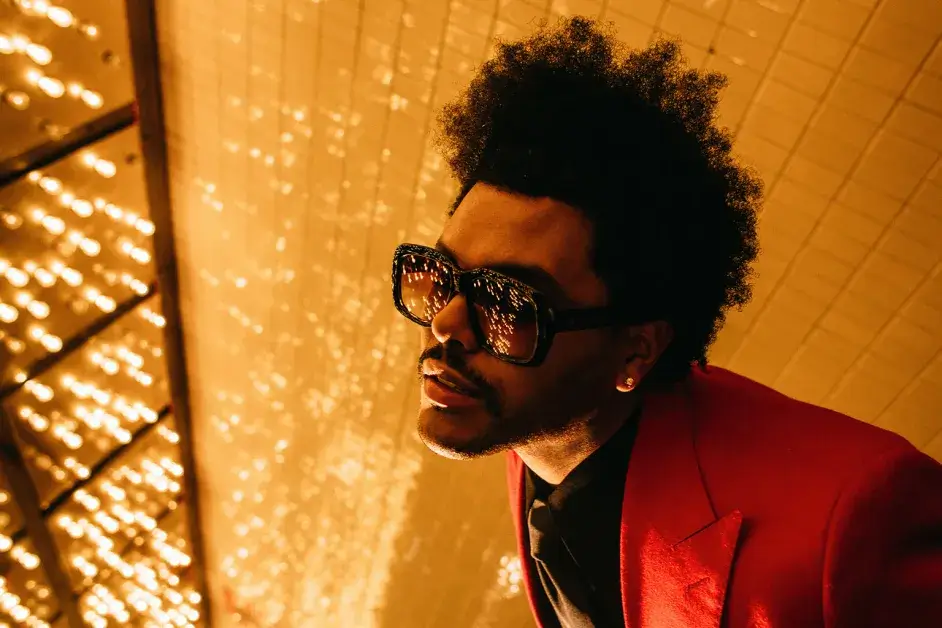
Transformation sits at the center of both men’s work. Bale is famous for extreme physical changes that serve the character rather than the actor’s vanity. He has spoken about the discipline required and the temporary erasure of self that the process demands. The results are performances that feel dangerous and fully inhabited.
The Weeknd’s transformations have been more conceptual and visual, though no less deliberate. Early anonymity, the evolution of his sound from shadowy R&B into global pop, the elaborate stage personas, and the eventual decision to step away from the Weeknd name itself all reflect a willingness to shed skins. In Hurry Up Tomorrow he confronted the persona head-on, playing a version of the superstar while signaling that the chapter was closing. The film and the accompanying album functioned as both creative statement and personal reckoning.
What unites them is the seriousness of the commitment. Neither treats performance as a light or purely commercial exercise. Both appear to believe that the work only succeeds when the artist is willing to go further than comfort allows.
Public Personas and the Cost of Intensity
Bale has long maintained a relatively private personal life, letting the roles do most of the talking. Interviews tend to focus on process rather than celebrity. The Weeknd, by contrast, has lived more visibly inside the machinery of modern fame while simultaneously critiquing it in his music. The tension between the glossy surface of stardom and the emptiness or danger underneath has been one of his recurring themes.
Both men have paid certain prices for their intensity. Bale’s method has occasionally strained relationships on set and required recovery periods after demanding roles. The Weeknd has spoken about mental health struggles, the isolating effects of constant performance, and the moment during a 2022 concert when he lost his voice and experienced a deeper crisis. That incident became part of the inspiration for Hurry Up Tomorrow. In different ways, each has treated the personal cost as material rather than something to hide.
This honesty about the darker sides of creative life is another reason the two names sometimes appear together in conversation. Audiences sense a similar refusal to sand down the edges.
Why the Pairing Continues to Interest People
No joint project has been announced. No shared interviews or public friendships have surfaced. The connection exists mostly in the minds of people who notice patterns across mediums. Fans of intense, transformative performance see two artists who refuse to phone it in. Viewers who appreciate psychological depth recognize parallel instincts even when the vehicles differ. Music fans who followed the Weeknd into film and film fans who admire Bale’s range both end up in the same imaginative space: what if these two sensibilities ever collided?
That speculative interest is healthy. It keeps conversations about craft alive. It also highlights how rare total commitment has become in an era that often rewards speed and surface. Whether or not the Weeknd and Christian Bale ever share a project, the comparison itself reveals something valuable about what certain artists still demand of themselves.
Conclusion
The Weeknd and Christian Bale have never collaborated, yet the impulse to place their names side by side makes a certain kind of sense. Both have built careers on immersion, transformation, and a willingness to explore uncomfortable psychological territory. One has done so primarily through music that feels cinematic and through an expanding presence in film. The other has done so through a body of screen work defined by physical and emotional extremes. Their paths remain separate, but the artistic temperament they share continues to invite comparison. In an entertainment landscape that frequently prioritizes convenience over depth, that shared seriousness still stands out. The conversation around the two of them ultimately says less about any missing joint project and more about the kind of performance that still feels rare and necessary.
FAQs
Have the Weeknd and Christian Bale ever worked together?
No. There is no record of a shared film, television project, or formal collaboration between them.
Why do people search for the Weeknd and Christian Bale together?
Both are known for intense, transformative work and dark psychological themes. Fans often notice the parallel seriousness of their approaches to performance.
What film did the Weeknd star in as a lead?
In 2025 he starred in Hurry Up Tomorrow, a psychological thriller he also co-wrote, playing a fictionalized version of himself.
What is Christian Bale best known for?
He is widely recognized for roles requiring extreme physical and emotional commitment, including American Psycho, the Dark Knight trilogy, The Fighter, and many others.
Does the Weeknd have a background in film?
Yes. He has cited filmmakers such as David Lynch, Stanley Kubrick, and Martin Scorsese as major influences and has moved increasingly into acting and producing.
Has Christian Bale spoken about the Weeknd’s work?
There is no widely reported public commentary from Bale specifically about the Weeknd’s music or films.
What themes do their works often share?
Both frequently explore identity, the costs of ambition or fame, moral ambiguity, and psychological pressure.
Is the Weeknd retiring from music?
He has indicated that Hurry Up Tomorrow would be his final album under the Weeknd persona, while leaving open the possibility of continuing to make music under his own name.
What recent projects has Christian Bale been involved in?
Recent work includes the film The Bride!, in which he plays a version of Frankenstein’s monster opposite Jessie Buckley.
Could they collaborate in the future?
Nothing has been announced, but their overlapping interest in intense, character-driven storytelling makes the idea appealing to many fans.
You May Read Also:
Sarah Jane Ramos Bikini: The Style, Confidence, and Story Behind the Photos